Mastering All Spanish Numbers 1-100 for Effective Communication
Learning all Spanish numbers 1-100 is a crucial step for anyone looking to become proficient in the Spanish language. Whether you're a detail-oriented researcher or a casual learner, understanding these fundamental numbers can significantly enhance your ability to communicate effectively in Spanish. From counting uno to cien, mastering this range of numbers can open doors to new experiences, conversations, and connections. In this article, we'll delve into the world of Spanish numbers, exploring their uses, scenarios, and selection criteria to help you become a proficient communicator.
Understanding the Context of Spanish Numbers
In Spanish, numbers are used in various contexts, including mathematics, science, and everyday conversations. Being able to recite and recognize all Spanish numbers 1-100 can facilitate your understanding of more complex concepts, such as dates, times, and measurements. For instance, when discussing schedules or appointments, knowing the numbers veinticinco (25) to treinta y cinco (35) can help you specify exact times and durations. Moreover, recognizing numbers like cuarenta y nueve (49) and cincuenta y uno (51) can aid in calculations and problem-solving.
Scenarios for Using Spanish Numbers 1-100
There are numerous scenarios where knowing all Spanish numbers 1-100 can be beneficial. For example, when shopping, you may need to ask for diez (10) or veinte (20) units of a particular product. In a restaurant, you might want to order dos (2) or tres (3) plates of a specific dish. In addition, understanding numbers like sesenta y siete (67) and ochenta y tres (83) can help you navigate directions, such as turning left at the septuagésimo (70th) street or taking the ochenta y cuatro (84th) bus. 
Selection Criteria for Learning Spanish Numbers
When learning all Spanish numbers 1-100, it's essential to consider your goals and motivations. Are you looking to improve your language skills for travel, work, or personal enrichment? Identifying your objectives can help you focus on the most relevant numbers and contexts. For instance, if you're planning a trip to a Spanish-speaking country, you may want to prioritize learning numbers related to transportation, such as cincuenta (50) or setenta y cinco (75), to navigate buses and trains efficiently. On the other hand, if you're interested in business or finance, you may want to focus on numbers like ochenta y ocho (88) or noventa y seis (96) to understand financial reports and calculations.
Conclusion and Next Steps
Mastering all Spanish numbers 1-100 is a valuable skill that can enhance your language proficiency and open doors to new experiences. By understanding the context, scenarios, and selection criteria for learning these numbers, you can create a personalized learning plan that suits your needs and goals. Remember that practice is key, so try to incorporate Spanish numbers into your daily life, whether it's counting objects, practicing calculations, or engaging in conversations with native speakers. With dedication and persistence, you can become proficient in using all Spanish numbers 1-100 and unlock a world of possibilities for effective communication.
Pingispöytä, Nyrkkeilysäkki, Maali, Mailoja, Kuntoiluvälineitä (33
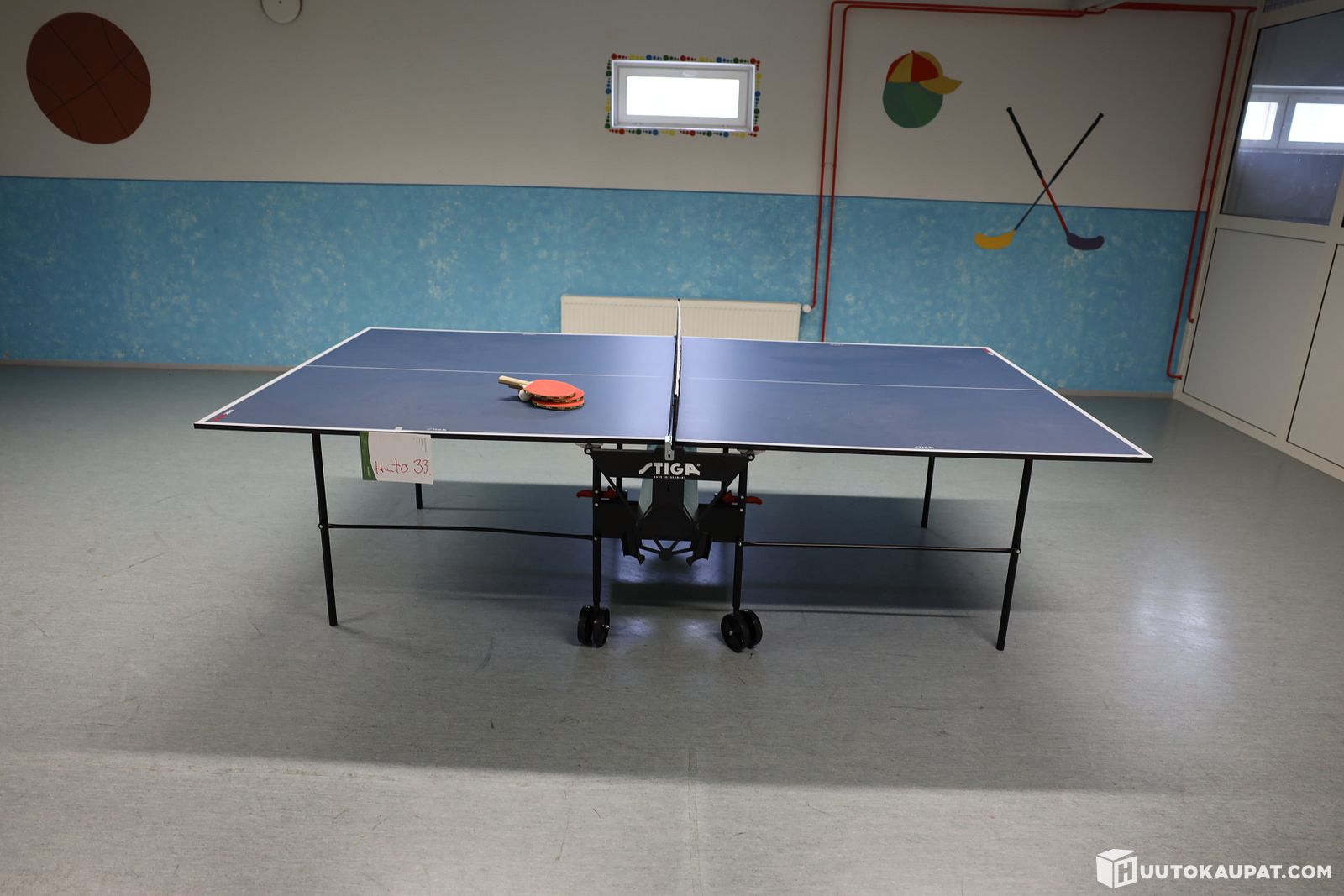
Pingispöytä, nyrkkeilysäkki, maali, mailoja, kuntoiluvälineitä (33 ...