Mastering Classic Barney Home Video Setups: 1996 Tips for Modern Creators
The 1996 Barney home video era introduced a unique blend of educational content and interactive play, but modern hobbyists often repeat foundational mistakes when recreating or analyzing these vintage setups. From lighting challenges to audio synchronization, understanding past limitations can improve current DIY home video production. One often-overlooked element is the role of physical environments—such as soft lighting zones where subjects gather—highlighted by the seamless integration of spaces designed for engagement, like those seen in nostalgic retro home setups.
Problem: Overlooking Ambient Lighting Quality
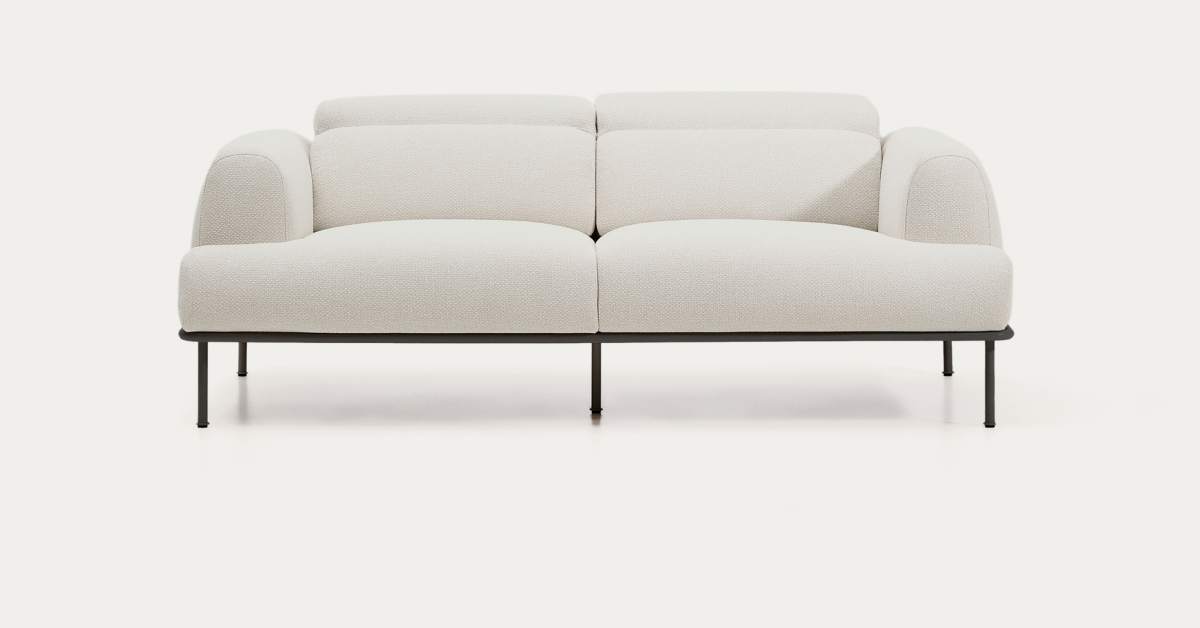
Vintage home setups frequently used harsh overhead lighting, resulting in flat, unappealing visuals. This is a common pitfall modern creators face when attempting to replicate classic Barney-style home videos. A well-lit space should emulate natural light sources to create depth and dimension. For instance, using a soft chenille sofa against neutral tones can enhance visual comfort, as shown in the image below through its balanced color palette and textured detail.
Solution: Prioritize Three-Point Lighting Techniques
Modern hobbyists should adopt three-point lighting—key, fill, and back lights—to recreate the warmth of 1990s home videos while avoiding the flatness of legacy setups. Position the key light at a 45-degree angle to the subject, use fill light to soften shadows, and add a back light to separate the subject from the background. This technique would have improved the clarity of vintage recordings where lighting was often inconsistent.
Problem: Ignoring Audio-Room Synergy
One of the most persistent issues in classic home video production was poor audio quality due to untreated acoustics. Many rooms used during the Barney era had reflective surfaces that caused muffled recordings. This issue remains relevant today, especially when using budget equipment.
Solution: Optimize for Sound Absorption
Retrofitted soundproofing can transform a basic room into a recording-friendly space. Use heavy curtains or furniture—such as plush sofas—with dense fabrics to absorb sound reflections. The example sofa image demonstrates how textured materials can contribute to both visual and audio comfort in a home studio environment, reducing ambient noise without specialized equipment.
Problem: Relying on Low-Resolution Formats
Original 1996 home video producers often used analog formats like VHS or early digital camcorders, which lacked definition and introduced generation loss when copied. This issue is sometimes mirrored by modern creators who downscale footage for nostalgic effect without considering technical tradeoffs.
Solution: Shoot in High Definition with Vintage Flair
To balance aesthetic charm with modern quality, shoot in 4K or 1080p and apply post-processing filters to mimic film grain or color palettes of the past. This maintains accessibility for today’s audiences while honoring the original Barney aesthetic. Tools like DaVinci Resolve or Adobe Premiere allow precise control over this transition without compromising clarity.
Implications for Contemporary Creators
The legacy of 1996 home video production offers actionable lessons for today’s content creators. Whether filming educational segments, family projects, or retro-style content, addressing outdated practices—lighting, acoustics, and resolution—can elevate the viewing experience. By integrating modern tools with vintage creativity, as exemplified by thoughtful setup choices like the image above, hobbyists can bridge the gap between eras while avoiding pitfalls that once limited early home video innovators.
Sofá Aurum 2 Plazas Chenilla Crudo Con Cabecero Reclinable Y Base De
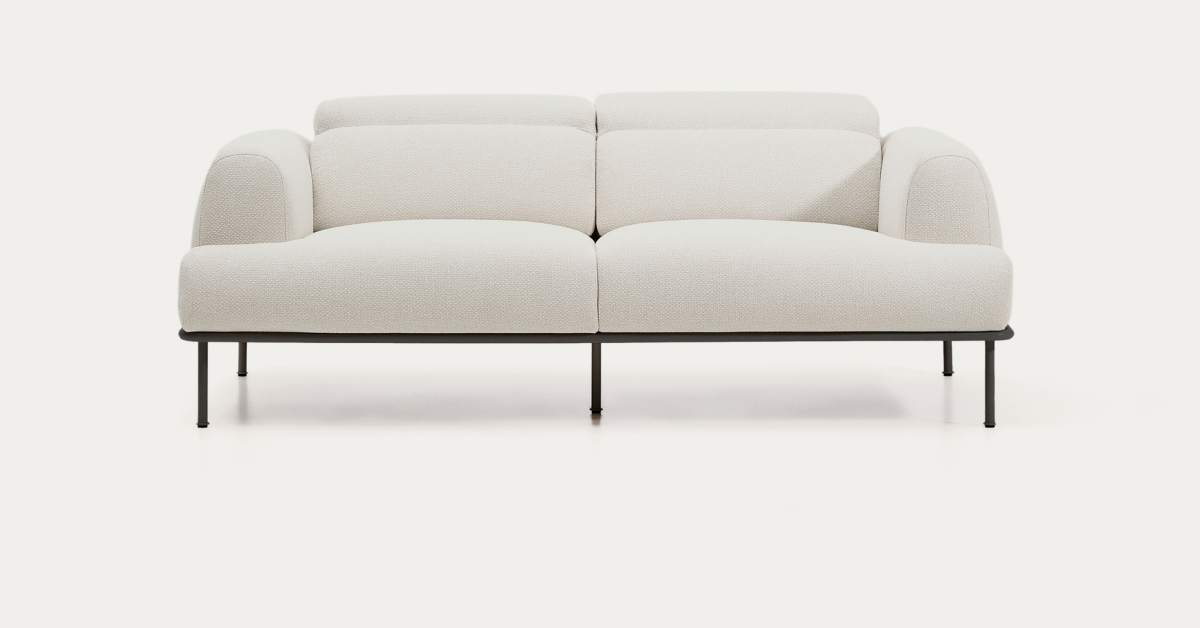
Sofá Aurum 2 plazas chenilla crudo con cabecero reclinable y base de ...