What Really Drives Your Spending? The Hidden Forces Behind the Consumption Function
Your grocery cart choices, that impulse buy on Amazon, or even whether you splurge on a vacation—all of them aren’t just about income. The factors determining consumption function go far deeper than paychecks, revealing how psychology, culture, and even small behavioral tweaks can shift your spending habits. Economists call this the "consumption function," but the real story lies in the everyday triggers that make you reach for your wallet—or hold it back. Here’s how to spot them and use them to your advantage.
Income Isn’t the Only Lever—Here’s What Actually Moves Your Spending
Most people assume higher income means higher spending, but that’s only part of the picture. The consumption function—the relationship between income and spending—is shaped by forces that don’t appear on a pay stub. For example, studies show that people with identical incomes can spend wildly differently based on:
- Perceived vs. actual income: If you believe you’re "doing better" than last year (even if your raise was modest), you’re more likely to treat yourself. This is why "lifestyle inflation" sneaks up on even disciplined earners.
- Social comparison: Seeing neighbors with bigger homes or flashier cars doesn’t just make you feel envious—it rewires your spending baseline. Platforms like Instagram amplify this effect by turning aspirational living into a daily highlight reel.
- Liquidity traps: Cash in your pocket (or a credit card limit) feels like "free" money, even if it’s borrowed. That’s why people with high disposable income often spend more impulsively than those with steady, structured savings.
The result? A spending pattern that’s more emotional than logical. The good news? You can hack these biases.
---3 Behavioral Triggers That Hijack Your Budget (And How to Counter Them)
Your brain isn’t built to optimize spending—it’s built to prioritize short-term rewards. Here are the three most powerful (and often invisible) factors that distort the consumption function:
1. The "Anchoring" Effect: Why $200 Feels Like a Steal (Even If It’s Not)
Retailers use this all the time: a $500 item marked down to $299 suddenly feels like a bargain, even if the original price was arbitrary. Your brain latches onto the first number it sees (the "anchor") and judges value from there. Action step: When comparing prices, ignore the original price tag—focus on the final cost per unit (e.g., $3.99/lb vs. $4.99/lb). Tools like Honey or CamelCamelCamel (for Amazon) reveal true historical pricing, breaking the anchor’s spell.
2. The "Default Effect": How Easy Access = More Spending
Studies show that people spend 30% more when they use a credit card instead of cash because the pain of parting with money is delayed. Even small frictions—like requiring a PIN for online purchases—can cut spending by up to 15%. Action step: Set up separate bank accounts for fixed expenses (rent, bills) and discretionary spending. Use debit cards for the latter, and enable two-factor authentication on all online shopping accounts. The extra steps force your brain to pause.
3. The "Sunk Cost Fallacy": Why You Keep Paying for Subscriptions You Don’t Use
You signed up for a $15/month gym membership months ago, but you’ve only been once. Yet you keep renewing because "I already paid for it." This is the sunk cost fallacy in action—a classic distortion of the consumption function. Action step: Audit your subscriptions quarterly. Use apps like Rocket Money to track recurring charges, then cancel anything you haven’t used in 90 days. The key is to treat each renewal as a new decision, not a commitment.
---From Theory to Your Wallet: Practical Ways to Reshape Your Spending Habits
The consumption function isn’t set in stone. By understanding these triggers, you can design your environment to work for you, not against you. Here’s how:
- Gamify savings: Apps like Qapital or Digit automatically round up purchases and save the difference. The "game" of watching your balance grow reduces the mental effort of saving.
- Use the "24-hour rule" for non-essentials: Before any purchase over $50, wait a day. This breaks the impulse cycle and lets your rational brain override emotional triggers.
- Leverage "commitment devices": Pre-authorize transfers to savings on payday. Sites like Stash or Ally Bank let you set up "future you" rules, so your spending account can’t dip below a minimum.
- Reframe "needs" vs. "wants": Ask yourself: *Would I pay full price for this if I were broke?* If the answer is no, it’s likely a want disguised as a need. This simple filter cuts through social pressure.
The consumption function isn’t just an economic theory—it’s your personal spending operating system. By recognizing the hidden levers, you can spend smarter, save more, and avoid the traps that turn intentions into overspending.
---
Římské číslice - Přehled, Básnička A Příklady - Matematika
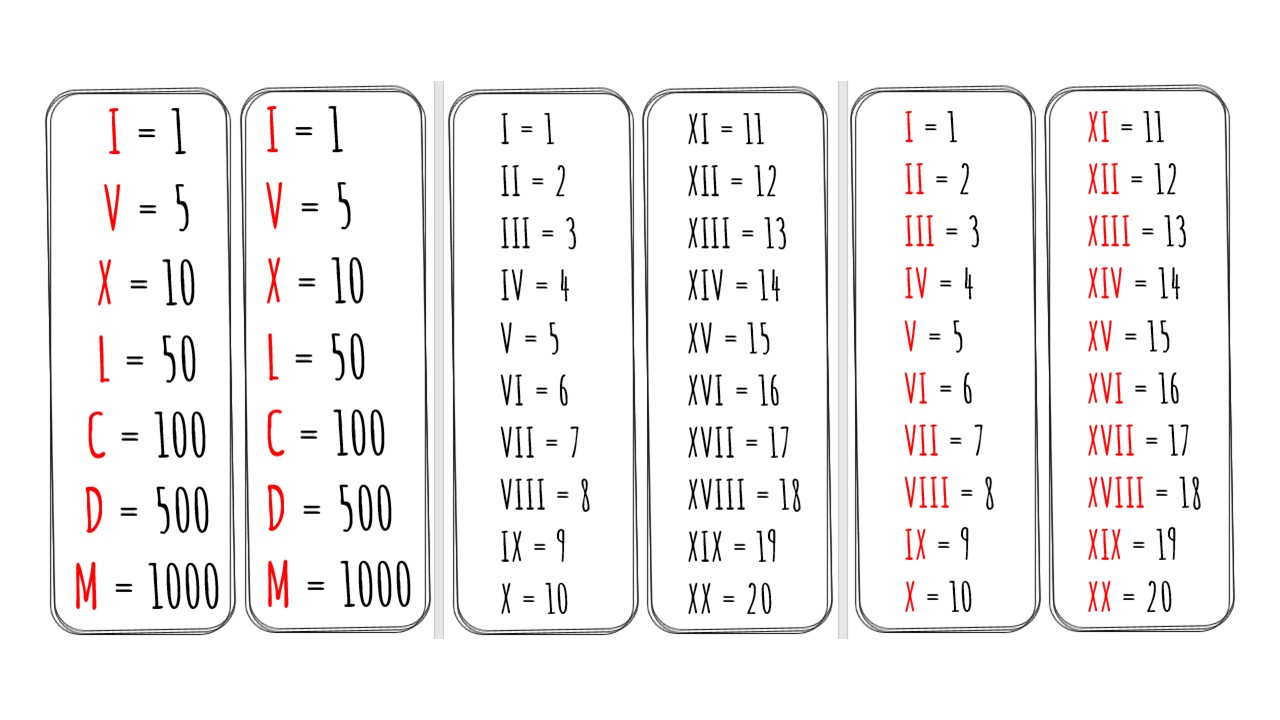
Římské číslice - přehled, básnička a příklady - Matematika ...