IMDb’s *Alien: Covenant* Cast Breakdown: Who Played the Key Roles in Ridley Scott’s Sci-Fi Epic?
The *Alien: Covenant* cast brought Ridley Scott’s prequel to Ridley Scott’s *Alien* with a mix of returning faces and fresh talent, each choice carefully calibrated to balance nostalgia and innovation. While the film’s visuals and lore dominated headlines, the actors behind the Xenomorphs, David, and the colony’s doomed settlers often went underappreciated—until deep dives into IMDb’s cast listings revealed the deliberate casting decisions that shaped the film’s tone. From Michael Fassbender’s David to Billy Crudup’s Walter, the ensemble didn’t just fill roles; they redefined how a sci-fi franchise could evolve without losing its core identity. For researchers tracking franchise continuity or fans dissecting the film’s reception, understanding who played which character—and why—offers a clearer lens on *Covenant*’s artistic and narrative risks.
The Core Cast: Why These Actors Were Chosen for *Alien: Covenant*
The decision to cast *Alien: Covenant* wasn’t just about filling seats; it was about threading together the film’s themes of isolation, discovery, and existential dread. Michael Fassbender’s David, the genetically enhanced android, became the emotional anchor, while Karen Gillan’s Daniel and Billy Crudup’s Walter provided the human stakes. Even the supporting roles—like Joanne Whalley’s Elizabeth Shaw, a character tied to the original trilogy—were cast to bridge the gap between past and present. The choices weren’t arbitrary; they were strategic, ensuring the film could stand alone while paying homage to its predecessors.
The Protagonists: Fassbender’s David and the Human Cost of Ambition
Michael Fassbender’s portrayal of David was a masterclass in layered performance. The android’s descent from benevolent creator to monstrous predator wasn’t just a plot device; it was a study in psychological unraveling. Fassbender’s ability to convey David’s intelligence, frustration, and eventual madness made the character unforgettable. Meanwhile, Karen Gillan’s Daniel and Billy Crudup’s Walter embodied the film’s central tragedy: humanity’s hubris in the face of the unknown. Their dynamic—between idealism and pragmatism—grounded *Covenant* in relatable conflict, even as the Xenomorphs loomed larger than life.
The Supporting Cast: Filling the Gaps Between Franchises
Joanne Whalley’s return as Elizabeth Shaw was a deliberate nod to *Alien*’s legacy, but her role in *Covenant* was far more than a cameo. Her character’s fate tied directly to the film’s central mystery, and Whalley’s performance added emotional weight to the colony’s downfall. Other actors, like Sean Harris as the stoic engineer John, and David Oyelowo as the morally conflicted John, brought depth to the ensemble. Even the lesser-known faces—like the crew members played by actors like Callum Woodhouse—served a purpose: to make the colony feel lived-in, flawed, and ultimately doomed.
Common Missteps in Analyzing *Alien: Covenant*’s Cast
When dissecting *Alien: Covenant*’s cast, some researchers fall into predictable traps—assuming the film’s failures were solely due to casting, or overanalyzing minor roles at the expense of the core narrative. Others misread the intentionality behind choices like David’s design or the Xenomorph’s evolution, treating them as gimmicks rather than thematic extensions. A smarter approach involves recognizing that the cast wasn’t just a collection of actors but a carefully curated ensemble designed to serve the film’s themes of isolation, discovery, and the consequences of unchecked ambition.
Mistake #1: Overlooking the Thematic Role of the Cast
One of the most common mistakes is treating the cast as mere plot devices rather than narrative vessels. For example, David’s arc wasn’t just about his transformation into a monster; it was about the dangers of unchecked intelligence and the ethical dilemmas of creation. Fassbender’s performance made this clear, but without understanding the thematic weight, viewers might dismiss David as a one-dimensional villain. Similarly, the human characters weren’t just victims; they were flawed individuals whose choices accelerated the colony’s collapse.
Mistake #2: Assuming the Cast Was a Carbon Copy of the Original Trilogy
Some fans expected *Alien: Covenant* to replicate the cast of the original films, but Ridley Scott and his team deliberately avoided that pitfall. While Whalley’s return was a nod to the past, the rest of the ensemble was fresh, ensuring the film could explore new ideas without feeling like a retread. This wasn’t a mistake—it was a calculated risk to keep the franchise relevant while honoring its roots.
Smarter Alternatives: How to Approach *Alien: Covenant*’s Cast Analysis
For those looking to go deeper, the key is to focus on the intentionality behind each casting decision. Instead of asking *who* was in the film, ask *why*—why Fassbender over another actor for David? Why Crudup’s Walter instead of a more conventional sci-fi lead? The answers lie in the film’s themes, its visual style, and its narrative ambitions. By examining the cast through this lens, researchers can uncover layers of meaning that casual viewers might miss.
Alternative Approach #1: Compare Performances to the Original Trilogy
One productive exercise is to compare the performances in *Alien: Covenant* to those in the original films. Fassbender’s David, for instance, shares DNA with the androids of the past but evolves them into something new. Similarly, Gillan’s Daniel and Crudup’s Walter offer a fresh take on the human characters that defined *Alien*’s early films. By drawing these comparisons, viewers can see how the franchise has grown while retaining its core identity.
Alternative Approach #2: Analyze the Visual and Thematic Synergy
Another angle is to consider how the cast’s performances align with the film’s visual and thematic elements. The Xenomorphs’ design, for example, wasn’t just about scares; it was about evolution and adaptation. The same could be said for the human characters, whose flaws and strengths mirrored the colony’s eventual downfall. By tying the cast’s work to these broader themes, analysts can move beyond surface-level observations and into deeper critical territory.
Ridley Scott’s *Alien: Covenant* remains a fascinating study in franchise evolution, and its cast is central to that narrative. By avoiding common missteps and adopting smarter analytical approaches, researchers can uncover the film’s hidden depths—proving that even in a sci-fi epic, the people behind the performances matter just as much as the creatures on screen.
Maps Of Europe | Map Of Europe In English | Political, Administrative
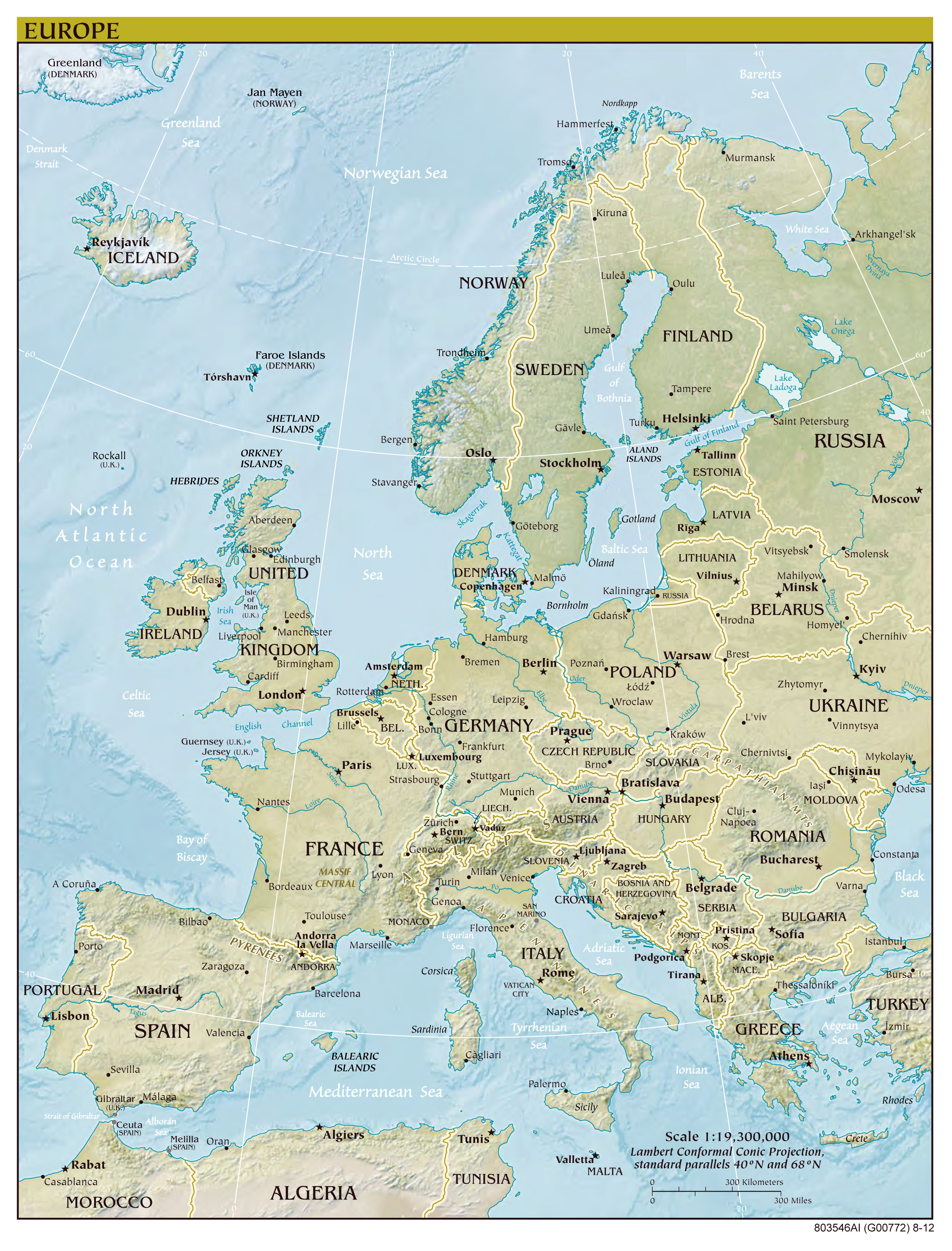
europe map capitals large political cities relief major detailed all maps scale 2012 european english countries physical roads world
Large Big Europe Flag, Political Map Showing Capital Cities – Travel

europe map cities capital political countries flag big showing large world size them
Map Of Europe With Countries, Cities And Boundaries - Ezilon Maps
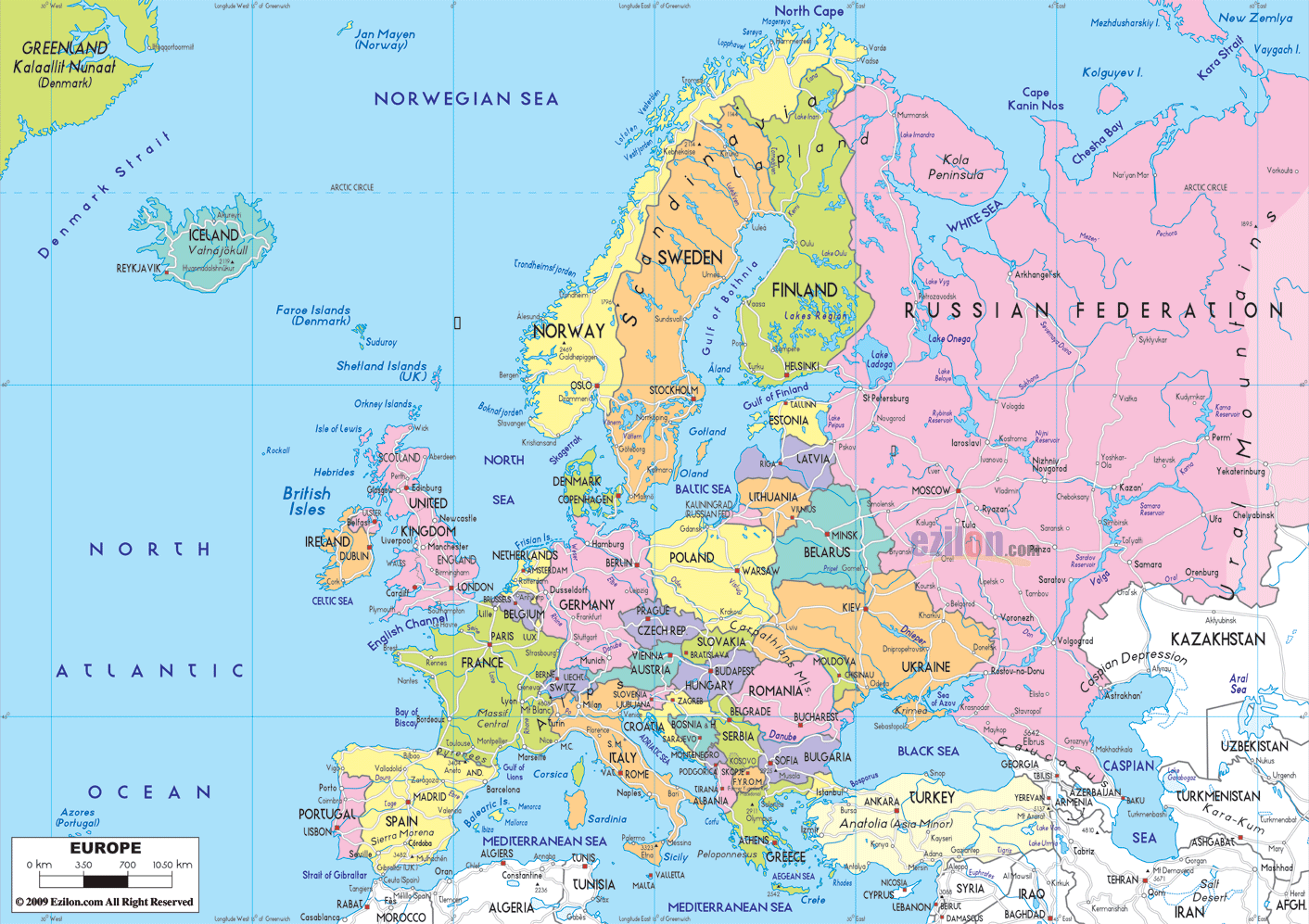
map europe maps political european ezilon detailed large clear continent zoom
Europe Map Hd With Countries
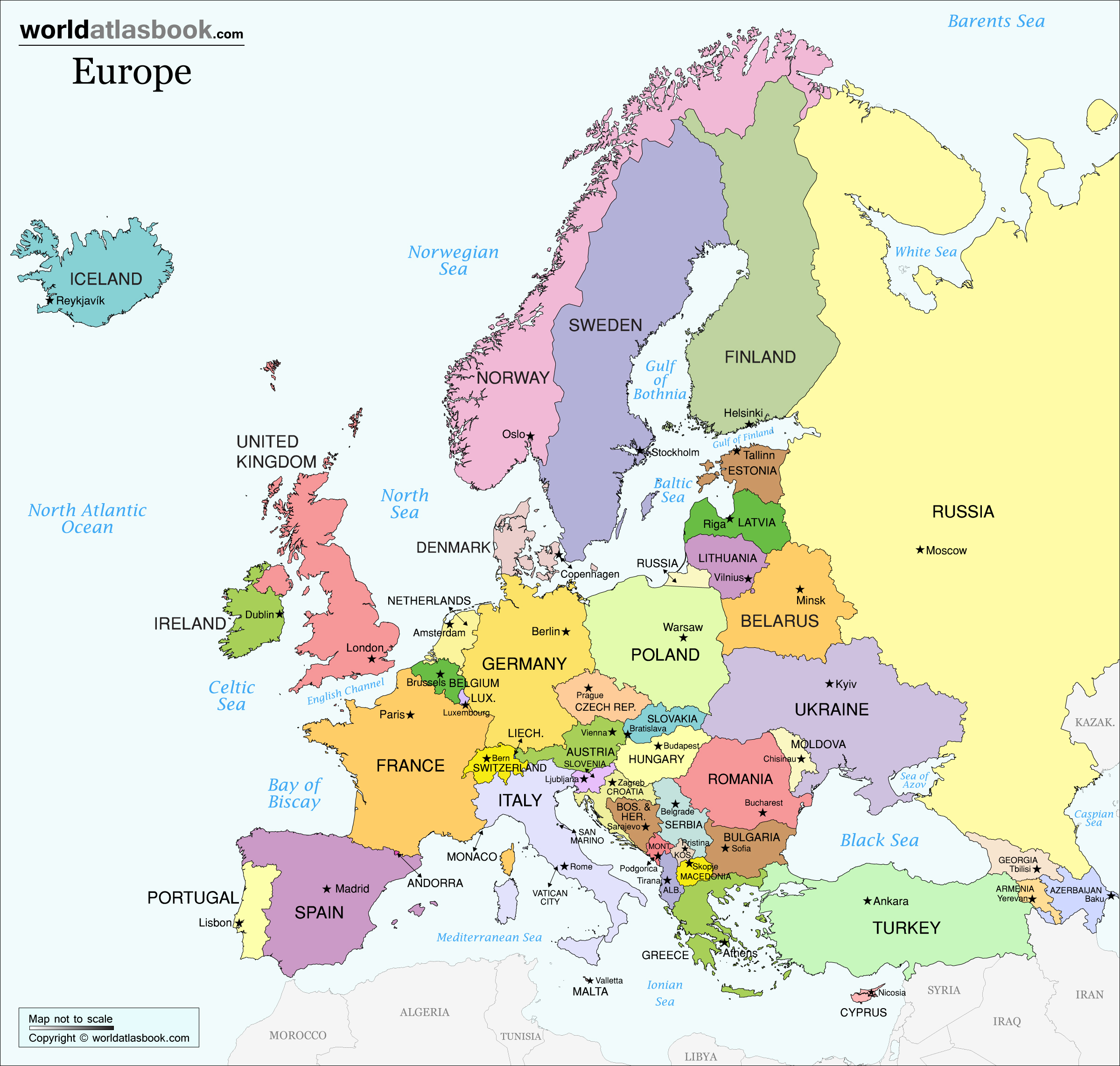
europe map countries hd maps high resolution capital pictures
Political Map Of Europe With Countries And Capitals

europe map political large countries capitals european maps boundaries world country their printable cities showing city international hd labeled mapsofworld