How the Jenna Kutcher Podcast Course Is Shaping Everyday Content Creation
Jenna Kutcher’s newly released podcast course is gaining traction among hobbyists and small‑business owners who want to translate her branding expertise into an audio format. The program, built around step‑by‑step lesson modules, promises a pragmatic roadmap for listeners who lack technical background but crave a professional‑sounding show. By breaking down equipment selection, episode planning, and audience engagement into bite‑size tasks, the course aims to lower the barrier to entry for anyone seeking to add a podcast to their marketing mix.
What does the course cover, and why is it relevant to everyday creators?
The curriculum is organized into three core phases: foundation, production, and growth. In the foundation stage, Kutcher walks learners through identifying a niche that aligns with their existing brand—whether that’s lifestyle coaching, local retail, or community activism. She emphasizes the importance of a clear value proposition, mirroring the way she built her own visual brand on Instagram. Production modules dive into affordable gear choices (e.g., using a USB microphone and free editing software) and outline a repeatable episode template that reduces editing time by up to 30 percent. Finally, the growth segment tackles distribution tactics such as cross‑promoting on TikTok reels and leveraging email newsletters to turn listeners into customers.
Which real‑world examples illustrate the course’s actionable takeaways?
One case study highlighted in the lessons follows a boutique coffee shop owner in Portland who used the course’s “three‑question episode planner” to map out a 10‑episode series on sourcing sustainable beans. By publishing weekly, the shop saw a 12 percent lift in foot traffic during the series run, and its email signup rate rose from 4 percent to 9 percent. Another example features a freelance graphic designer who applied Kutcher’s “audio branding checklist” to embed a consistent intro jingle across episodes, resulting in a measurable boost in client recall during post‑episode surveys.
How can everyday users implement the most useful strategies right now?
Start by defining a single, narrow topic that solves a problem for your current audience—think “quick tax tips for gig workers” instead of a broad “finance podcast.” Next, repurpose existing visual content: transform a popular Instagram carousel into a script, then record using a headset mic and a free tool like Audacity. Finally, schedule episodes on a simple calendar and automate distribution through platforms that push directly to Spotify and Apple Podcasts, ensuring each release lands with a ready‑made social post.
What should listeners consider before committing to the full program?
While the course is designed for beginners, it does assume a baseline familiarity with branding concepts. Prospective students should assess whether they already have a clear brand voice; without that, the early modules may feel repetitive. Additionally, the program’s self‑paced format means accountability rests on the learner, so setting personal deadlines or joining a peer‑support group can improve completion rates.
Is the Jenna Kutcher podcast course worth the investment for the average user?
For creators who already use social media to market products or services, the course offers a structured path to expand into audio without costly studio time. Its emphasis on low‑budget equipment and repurposing existing content translates into immediate cost savings. If you’re comfortable with basic branding but hesitant about the technical side of podcasting, the actionable worksheets and checklist templates provide enough scaffolding to launch a show within a month. In short, the program delivers a practical, low‑risk entry point for everyday users who want to diversify their content strategy.
FCA Regulations In AML Compliance: Definition, Role, And Best Practices
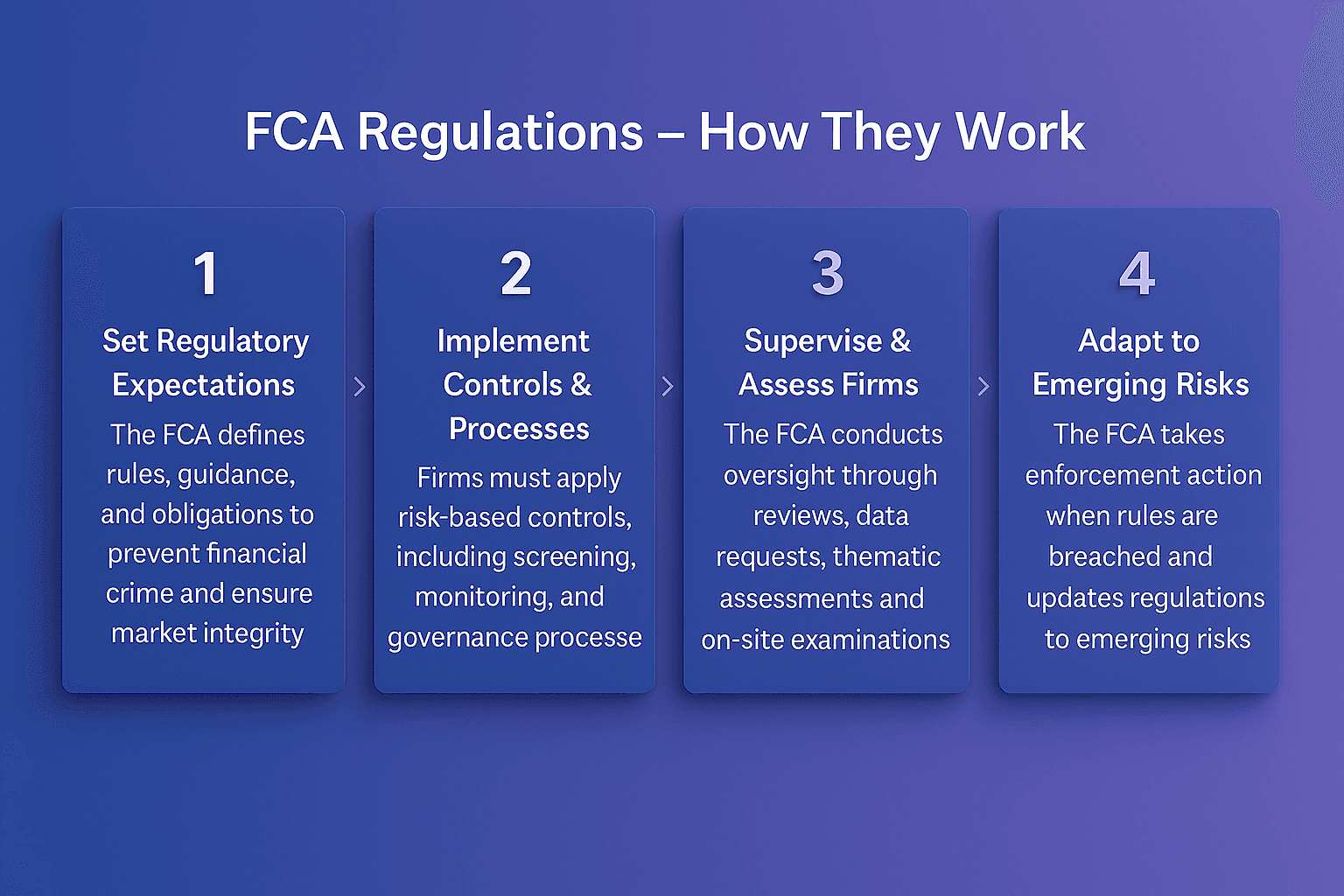
FCA Regulations In AML Compliance: Definition, Role, And Best Practices