Nightmare on Elm Street Franchise: A Deep Dive Into Its Lasting Legacy
The *Nightmare on Elm Street* franchise isn’t just a horror series—it’s a cultural touchstone that has shaped how audiences perceive slasher films, psychological terror, and the blurred line between dreams and reality. Since its debut in 1984, Freddy Krueger’s razor-gloved hands have become synonymous with nightmares, blending supernatural horror with raw, relatable fear. For fans and newcomers alike, the franchise’s wiki pages serve as a treasure trove of lore, behind-the-scenes details, and the evolution of its storytelling. But what makes this franchise endure? And how do its trade-offs—between campy charm and genuine dread—balance out for modern viewers?
The Origins: Why Freddy Stuck
The original *Nightmare on Elm Street* (1984) wasn’t just a horror film; it was a cultural experiment. Director Wes Craven, inspired by his own childhood nightmares, crafted Freddy Krueger as a villain who didn’t just kill—he *haunted*. The film’s twist ending, where Freddy’s victim dies in the real world, redefined horror conventions. Over the years, the franchise’s wiki pages have documented how Freddy’s backstory—burned alive by parents who covered up their children’s deaths—became a metaphor for repressed guilt and generational trauma. This depth, combined with the film’s iconic score and practical effects, ensured its place in pop culture.
Trade-Offs: The Franchise’s Highs and Lowers
The *Nightmare on Elm Street* franchise has had its share of hits and misses. The original film and its sequels like *Freddy’s Revenge* (1985) and *The Dream Child* (1988) delivered tight, character-driven horror. However, later entries—such as *Freddy’s Dead: The Final Nightmare* (1991)—struggled with inconsistent storytelling and over-reliance on gore. Wiki pages often highlight these shifts, showing how the franchise’s tone oscillated between psychological terror and camp. Even so, the core appeal—Freddy’s ability to invade dreams—remains a unique selling point.
For modern viewers, the trade-off lies in balancing nostalgia with fresh takes. The 2010 reboot, *Nightmare on Elm Street*, attempted to modernize the mythos but polarized fans. Meanwhile, the 2019 sequel, *Freddy vs. Jason*, blended Freddy’s lore with *Friday the 13th*’s Jason Voorhees, proving that even decades later, the franchise’s crossovers could spark renewed interest.
Realistic Expectations: What Fans Should Know
If you’re diving into the *Nightmare on Elm Street* franchise, expectations matter. The wiki pages reveal that not every entry is a must-watch—some are better skipped. For example, *Nightmare on Elm Street 4: The Dream Master* (1988) is often criticized for its convoluted plot, while *Wes Craven’s New Nightmare* (1994) stands out as a meta-commentary on horror itself. If you’re drawn to the franchise’s psychological depth, prioritize the original films and *The Dream Child*. For casual viewers, the 2019 crossover might offer a more accessible entry point.
Another realistic expectation? The franchise’s influence extends beyond film. Freddy Krueger has inspired countless parodies, video games, and even a *Simpsons* episode. The wiki pages document these cultural ripples, showing how Freddy’s design—his striped sweater, razor gloves, and menacing grin—has become instantly recognizable. This ubiquity is both a strength and a weakness; while it keeps the franchise relevant, it can also dilute its original impact for newer audiences.
The Future: Where Does Freddy Go From Here?
With horror franchises constantly reinventing themselves, *Nightmare on Elm Street* faces an uncertain future. Wiki pages suggest that while Freddy’s mythos remains untapped, any new projects would need to balance nostalgia with innovation. The franchise’s strength has always been its ability to evolve—whether through Wes Craven’s original vision or modern interpretations. For now, fans can explore the wiki pages to uncover hidden gems, debunk myths, and appreciate the franchise’s enduring legacy.
Ultimately, *Nightmare on Elm Street* isn’t just about scares—it’s about the stories behind them. Whether you’re revisiting the classics or discovering Freddy for the first time, the franchise’s wiki pages offer a roadmap to understanding why, nearly four decades later, Freddy Krueger still haunts our dreams.
Goku Y Milk By Greatpunch10 On DeviantArt

goku
Goku Y Chi Chi New Clothes By ArGe On DeviantArt

goku arge
Goku And Chichi Are Taking A Selfie ^^ By Eleneli On DeviantArt
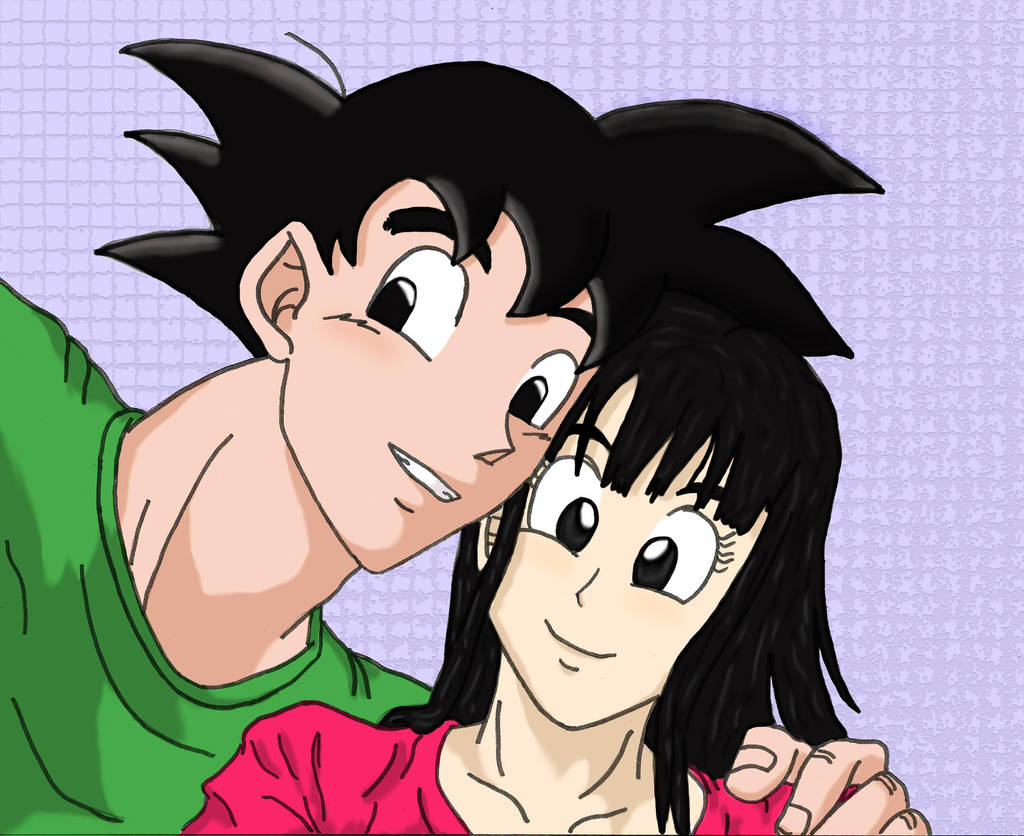
chichi selfie taking goku are
Dragon Ball-Goku And Milk-Render By Taanu-chaan On DeviantArt
goku render chaan
Chichi's Prince Charming By YamchaFan91 On DeviantArt

chichi goku deviantart